Against the Golden Hour
The most flattering light is also the most forgettable. An argument for shooting in weather nobody likes.
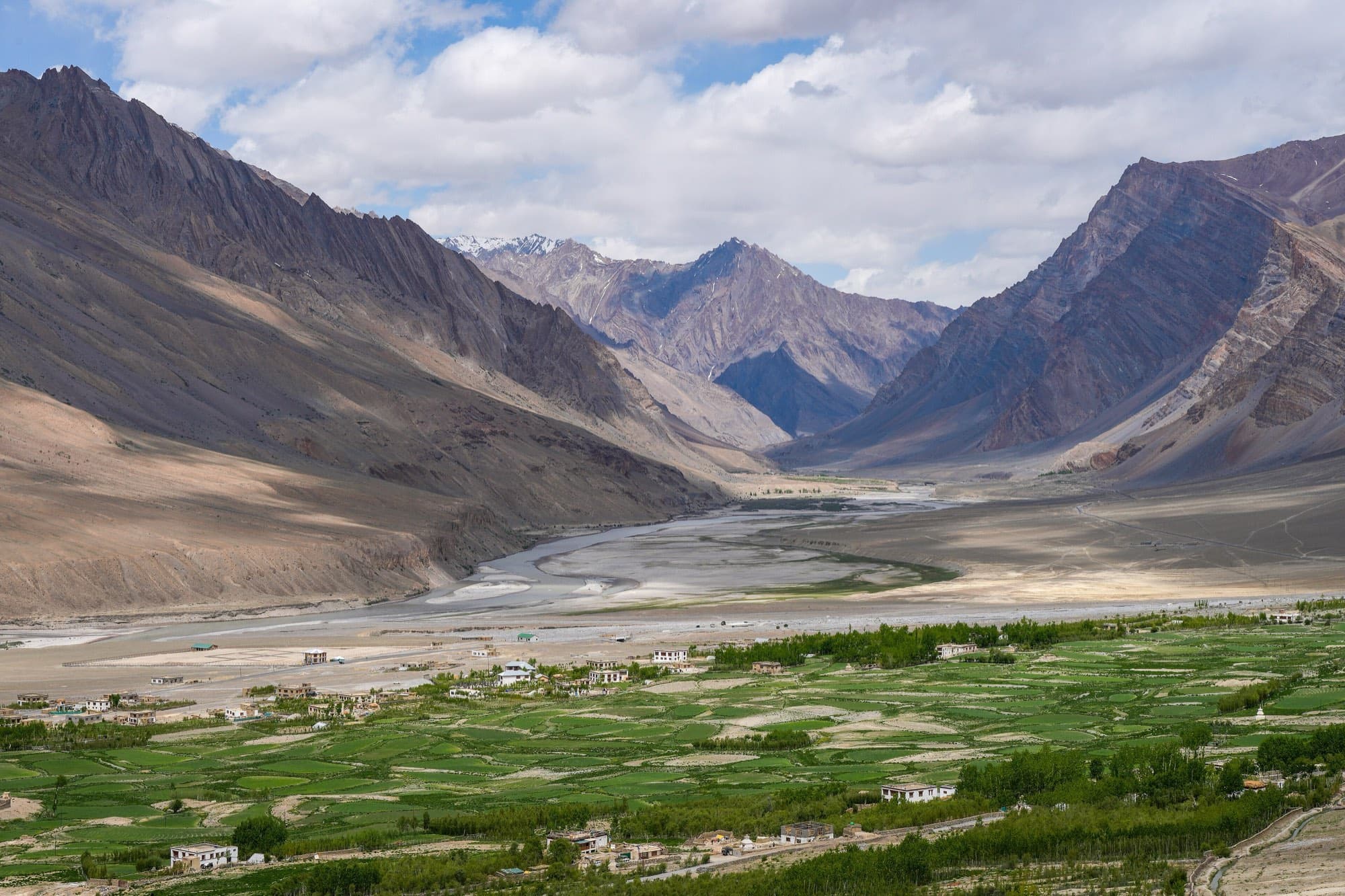
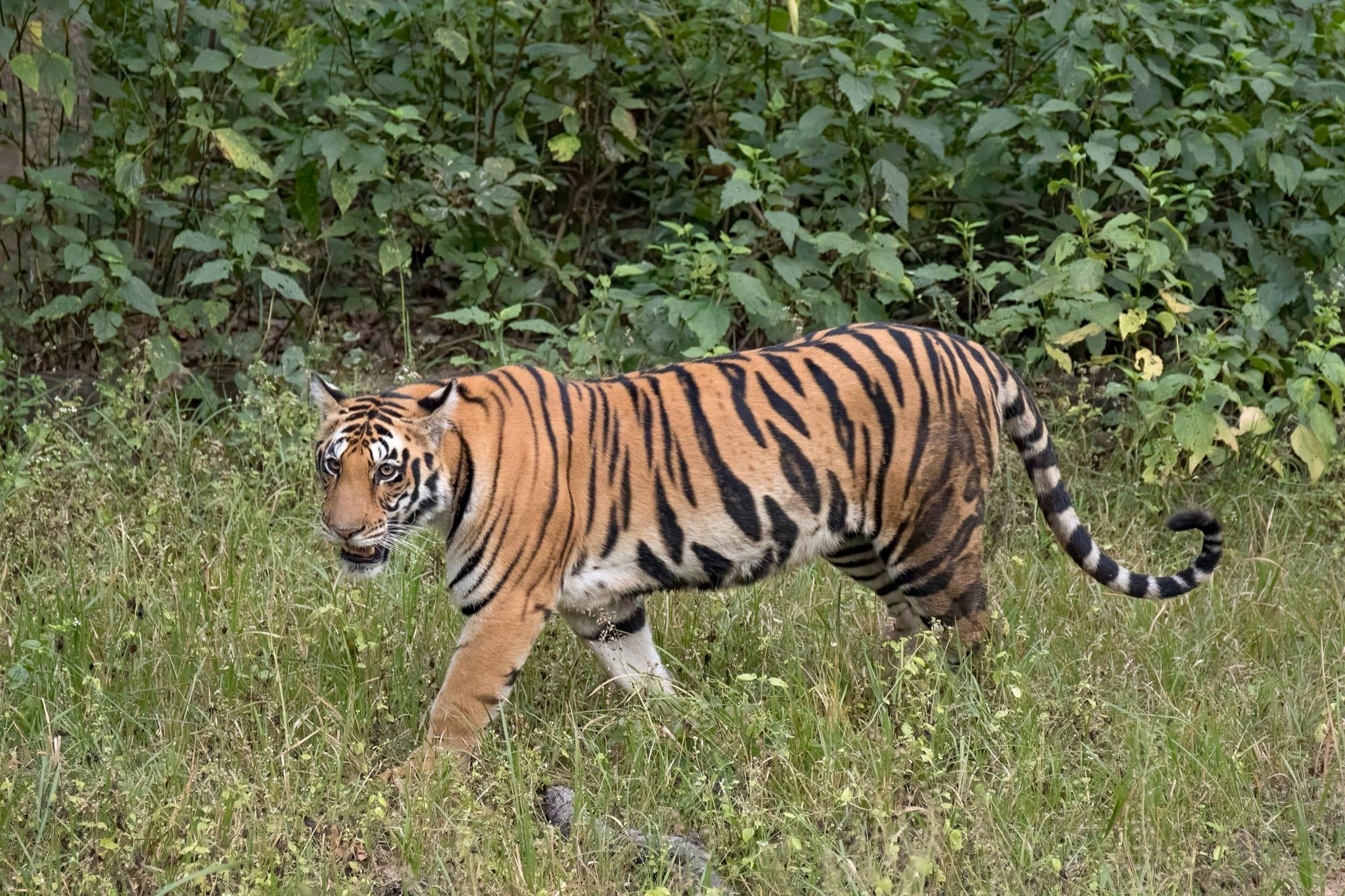
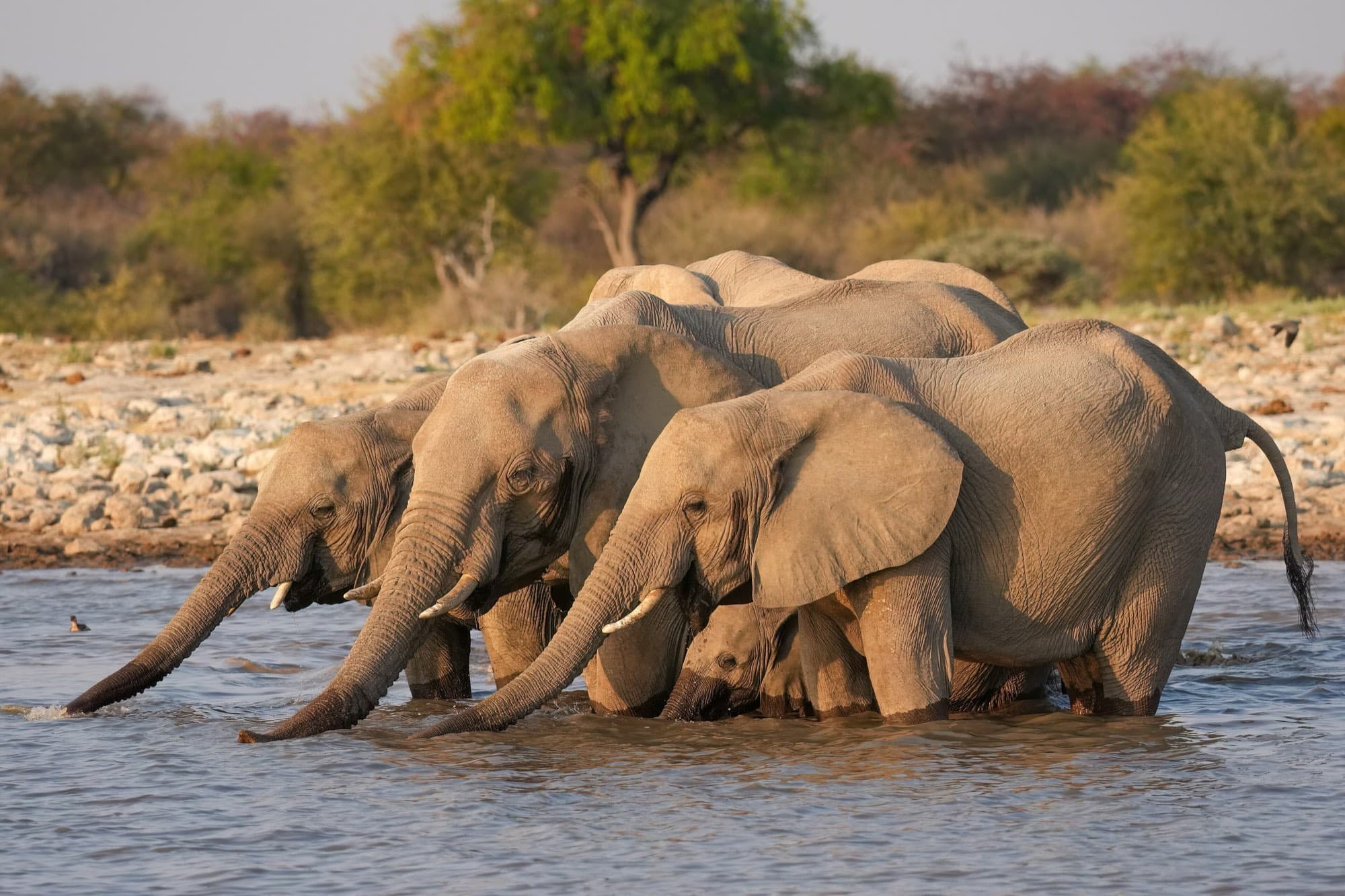
Golden hour is a solved problem. Warm low sun makes almost any subject look good, which is precisely why almost every wildlife portfolio looks the same. The light is doing the work, and the light is available to everyone, twice a day, everywhere on earth.
The frames that hold up over years tend to come from conditions people drive home in. Flat overcast, which removes contrast and forces you to build structure out of shape and gesture. Heavy rain, which gives you texture in the air itself. Fog, which does what no lens can do — separates a subject from its background by simply deleting the background. Deep blue hour, where you accept 6400 ISO and get a mood you cannot manufacture.
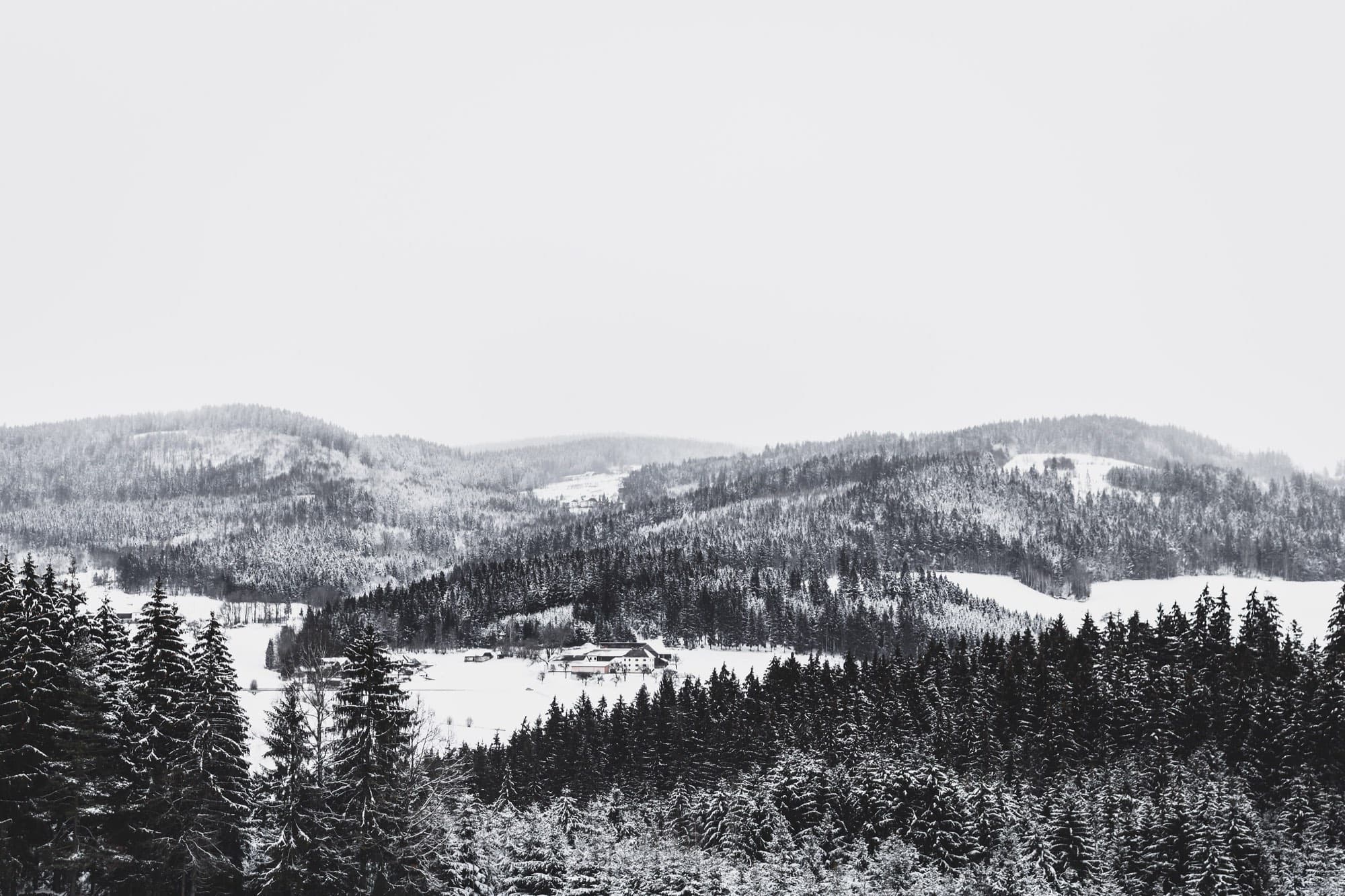
Snow in falling light is the best of them. It gives you a near-white field, a subject reduced to silhouette and gesture, and grain that reads as weather rather than as noise. Half the great winter wildlife photographs are, technically, underexposed and soft.
Beauty that arrives automatically is not authorship.
The practical objection is that these conditions cost you frames. That is true. You will come back with fewer usable images and a higher failure rate. You will also come back with two or three that could not have been taken by anyone standing in the same place in good light.
There is a version of this argument that is just contrarianism, and I want to be clear that golden hour is genuinely beautiful and I shoot it constantly. The point is narrower: if the light is doing everything, you have not made a photograph. You have collected one.
Written in the field for CaevraSpace. If you would like to republish or license this piece, get in touch.