The Library in Her Head
When you kill an old elephant, you do not remove an animal. You remove a map.
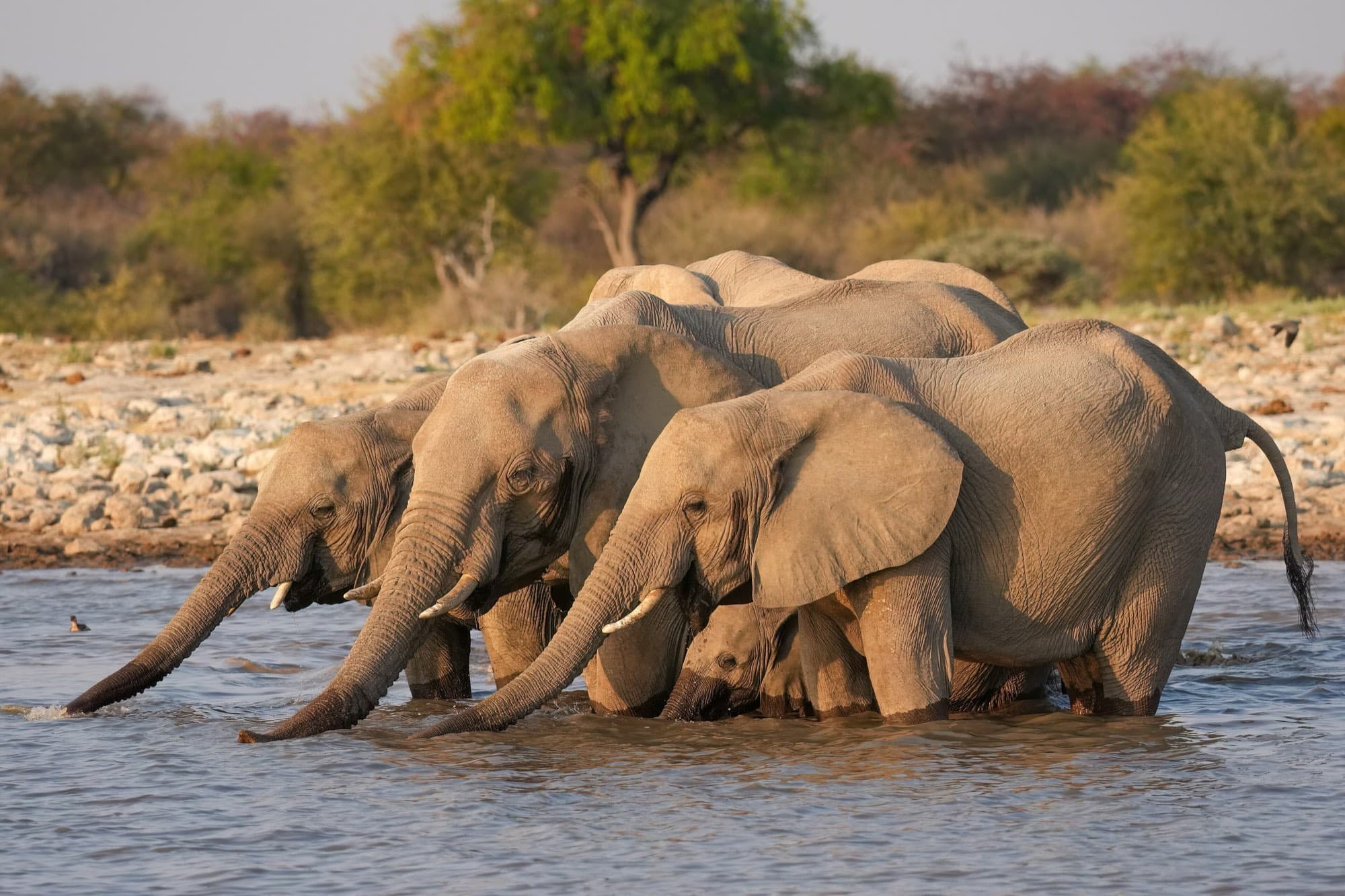
The 2009 drought in Amboseli killed a substantial share of the elephant population. Not evenly. Herds led by older matriarchs lost fewer calves, and the difference was large enough that it could not be attributed to luck or to range.
The explanation is memory. Elephants live long enough to have experienced previous droughts, and the ones who were adults during the severe droughts of the 1950s knew where to go — which distant water persisted, which route was survivable, which direction had failed last time. Herds without that individual in charge stayed, and their calves died.
This reframes what poaching actually destroys. Ivory targets the largest tusks, which means the oldest animals, which means precisely the individuals holding the ecological knowledge on which the rest of the herd depends. The population count recovers faster than the competence does. You can have the same number of elephants and a demonstrably less capable population.
Knowledge that took fifty years to accumulate can be removed in four seconds.
Something similar shows up in orcas, where post-reproductive females lead foraging in poor salmon years, and in sperm whales, where clan-level dialects and foraging strategies are held culturally. The pattern is consistent: in long-lived social animals, the old individuals are infrastructure.
Conservation metrics are still overwhelmingly headcounts, because headcounts are what you can survey. But a population's age structure and its retained knowledge are closer to the thing that actually determines whether it survives the next bad year.
It is a difficult argument to photograph. An old matriarch does not look like a library. She looks like a large tired animal walking slowly at the front of a line, which is exactly what she is, and also the reason the line is still alive.
Written in the field for CaevraSpace. If you would like to republish or license this piece, get in touch.