Reading a River
The Chambal, gharial, and the strange politics of a river nobody dammed.
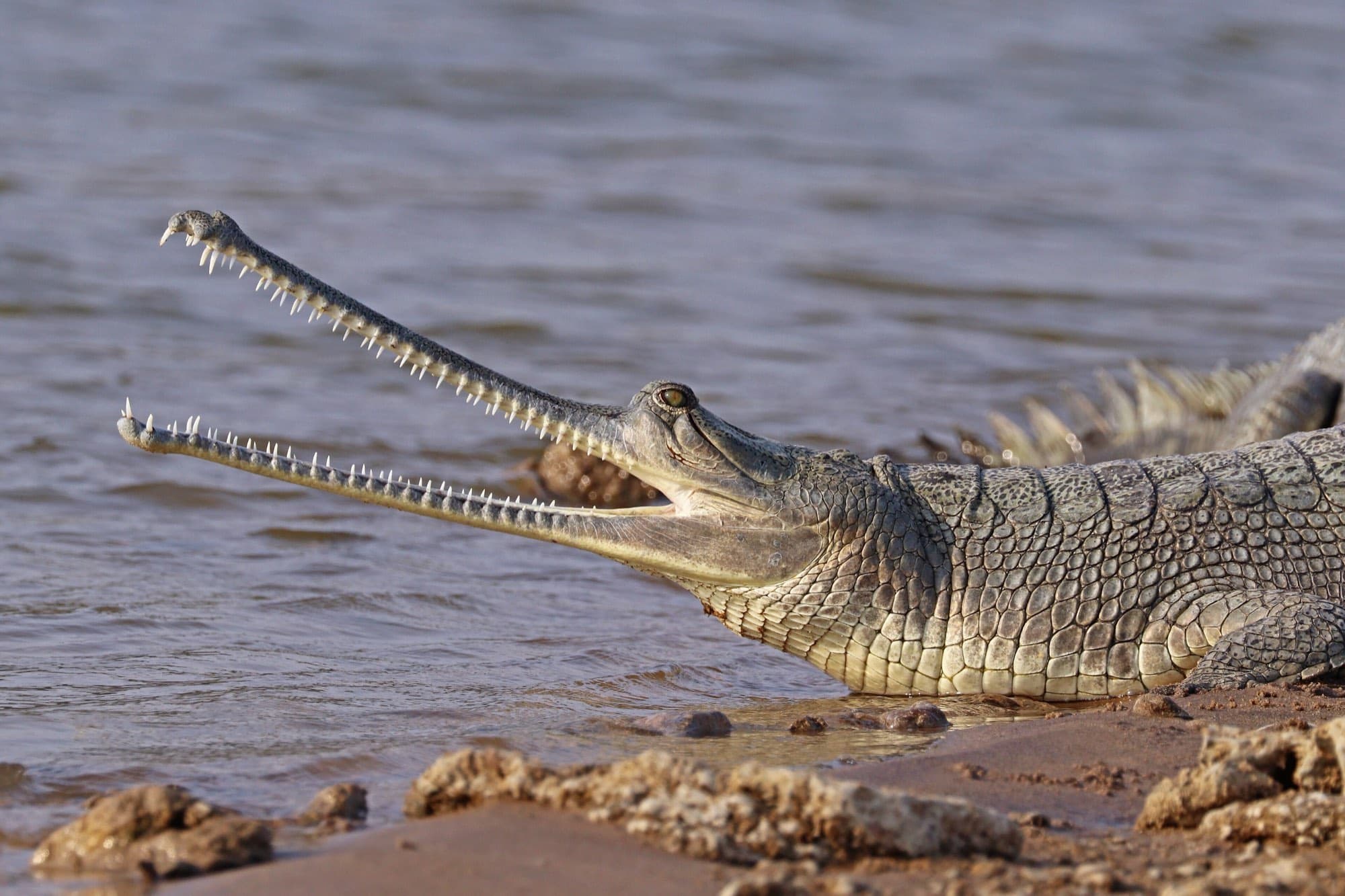
The Chambal is clean by accident. A reputation for banditry kept industry, settlement and agriculture off its banks for most of the twentieth century, and the result is one of the least polluted rivers on the subcontinent — and effectively the last stronghold of the gharial.
You work it from a flat-bottomed boat at first light, when the animals are on the sandbanks and the air is still. Gharial haul out to thermoregulate and will tolerate a boat that drifts rather than motors. The moment you use the engine, the bank empties.
The species is down to fewer than a thousand breeding adults. Sand mining removes the banks they nest on; fishing nets drown them; upstream abstraction reduces the deep pools they need in the dry season. None of these are dramatic threats. They are all slow, local, and economically rational for the people doing them, which is what makes them hard.
There is a photograph everyone takes here — a male with the ghara, that bulbous nasal growth, catching first light against dark water. It is a good photograph. It is also the entire public image of a species whose actual situation is a negotiation over sand extraction permits.
I have come to think that the second photograph matters more: the mine on the bank, the net in the shallows, the dry channel in May. Nobody prints those. They are the reason there is anything to print.
Written in the field for CaevraSpace. If you would like to republish or license this piece, get in touch.