The Cost of the Close Frame
Every tight portrait was taken at a distance. The question is who decided it.
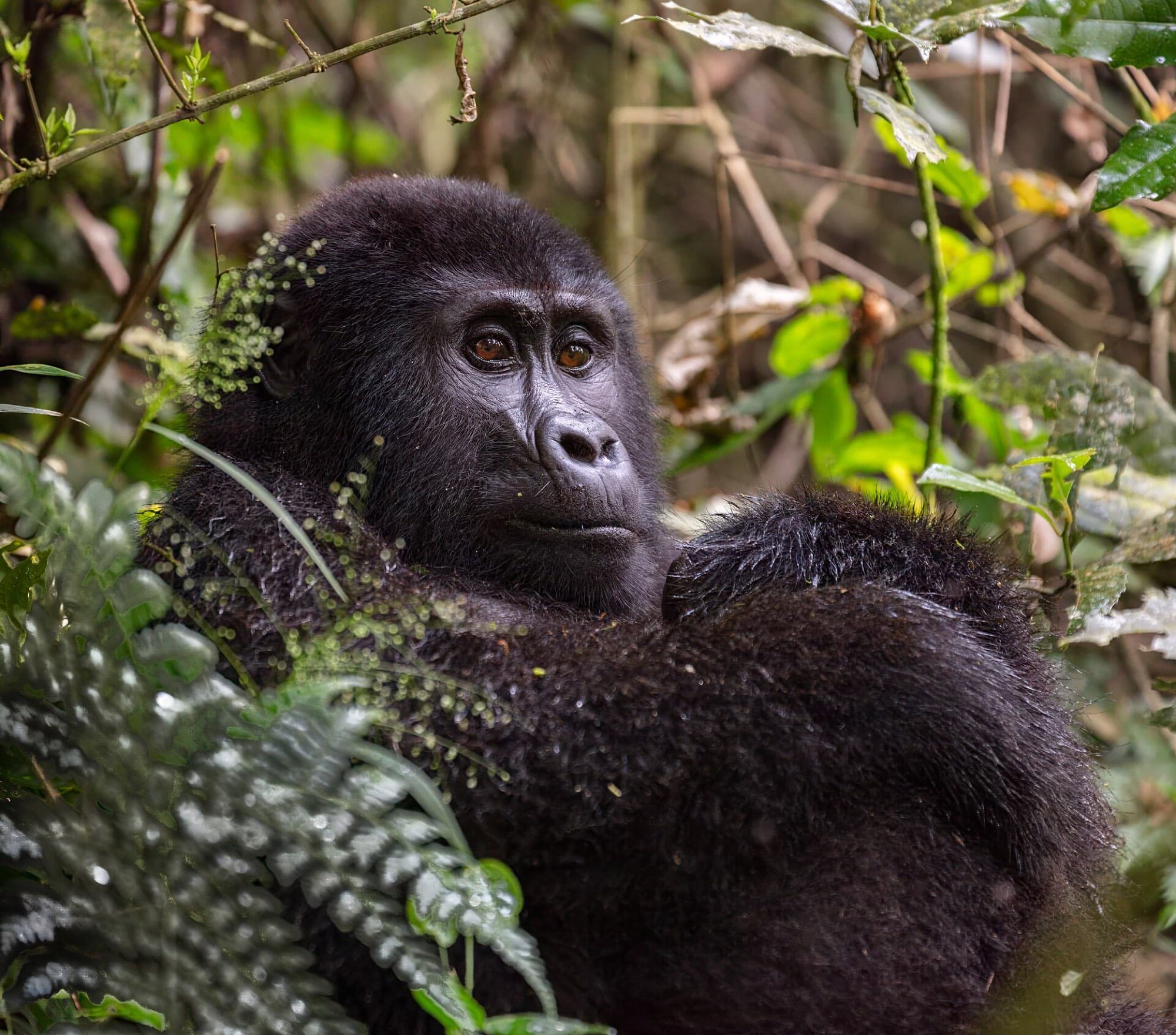
A frame-filling portrait tells you nothing about how it was made. It could be six hundred millimetres from a hide at ninety metres, or two hundred millimetres from a vehicle that drove into an animal's path. The image is identical. The ethics are not.
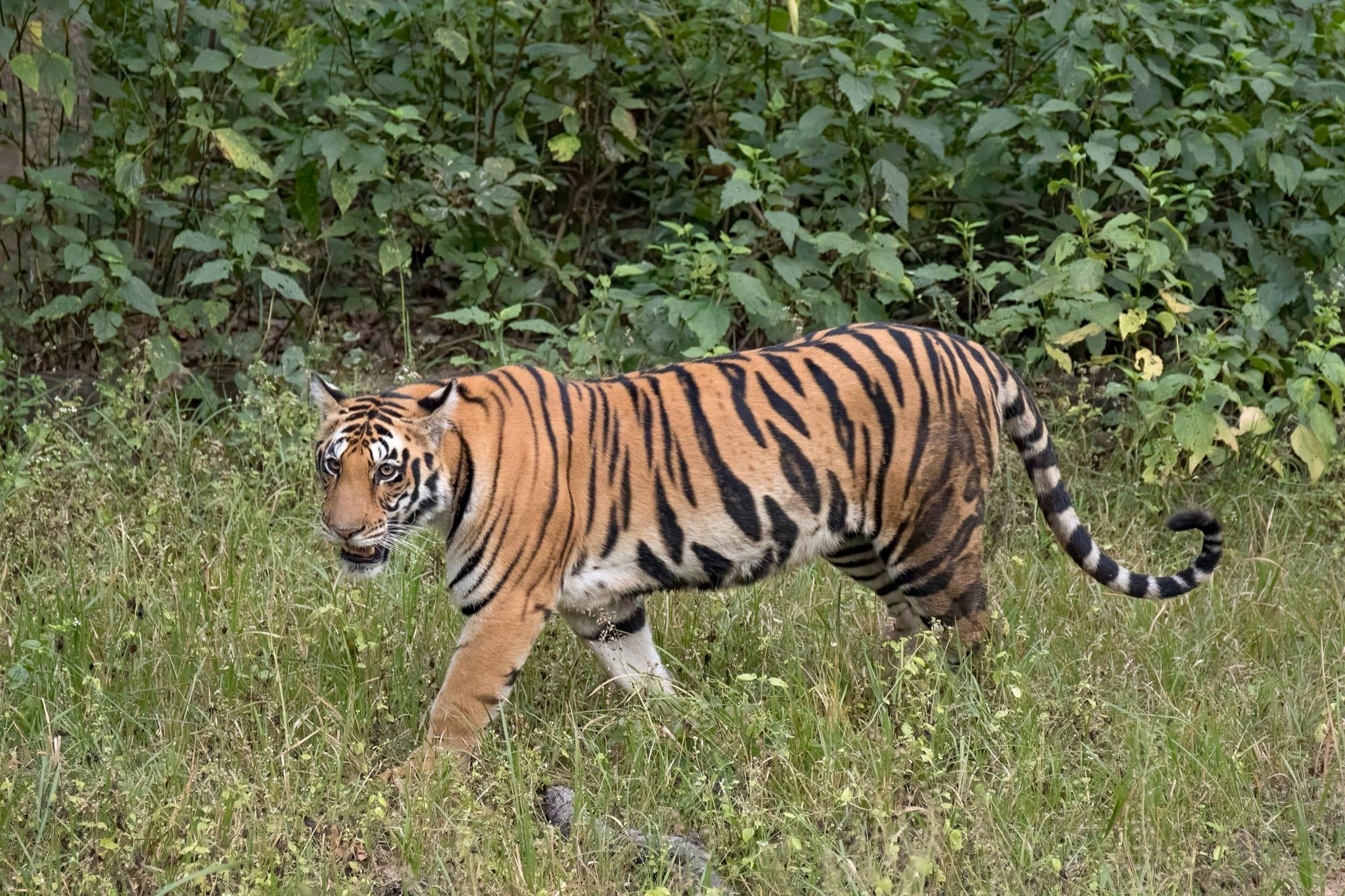
The tell is usually in the eyes and the body. An undisturbed animal ignores you. An animal that is aware of you and tolerating you holds a particular alertness — ears oriented, feeding interrupted, a readiness in the shoulders. Once you learn to see it, a great deal of published wildlife photography becomes uncomfortable to look at.
The rules that matter are simple and largely unenforced. Let the animal set the distance. Never position yourself between a parent and young, or an animal and water, or an animal and its escape route. Do not use calls or bait to draw predators. Do not disclose the coordinates of a den, a nest, or a rare individual. Leave when behaviour changes, and treat that as a successful outing rather than a failed one.
There is no photograph in the world worth changing an animal's behaviour for.
Baiting deserves a specific note because it is widespread and normalised. Feeding a fox for a photograph produces an animal that approaches vehicles, and animals that approach vehicles die on roads or are shot. The photograph is a nice one. The chain of consequence is not visible in it.
The uncomfortable part is that ethical practice is mostly invisible in the output. Nobody can see the shot you did not take. There is no credit for the hour you spent reversing away from a nest. It is simply the price of being able to look at your own archive without qualification, which turns out to be the only audience that matters in the long run.
Written in the field for CaevraSpace. If you would like to republish or license this piece, get in touch.