The Quiet Recovery
Europe's large carnivores came back on their own. Almost nobody reported it.
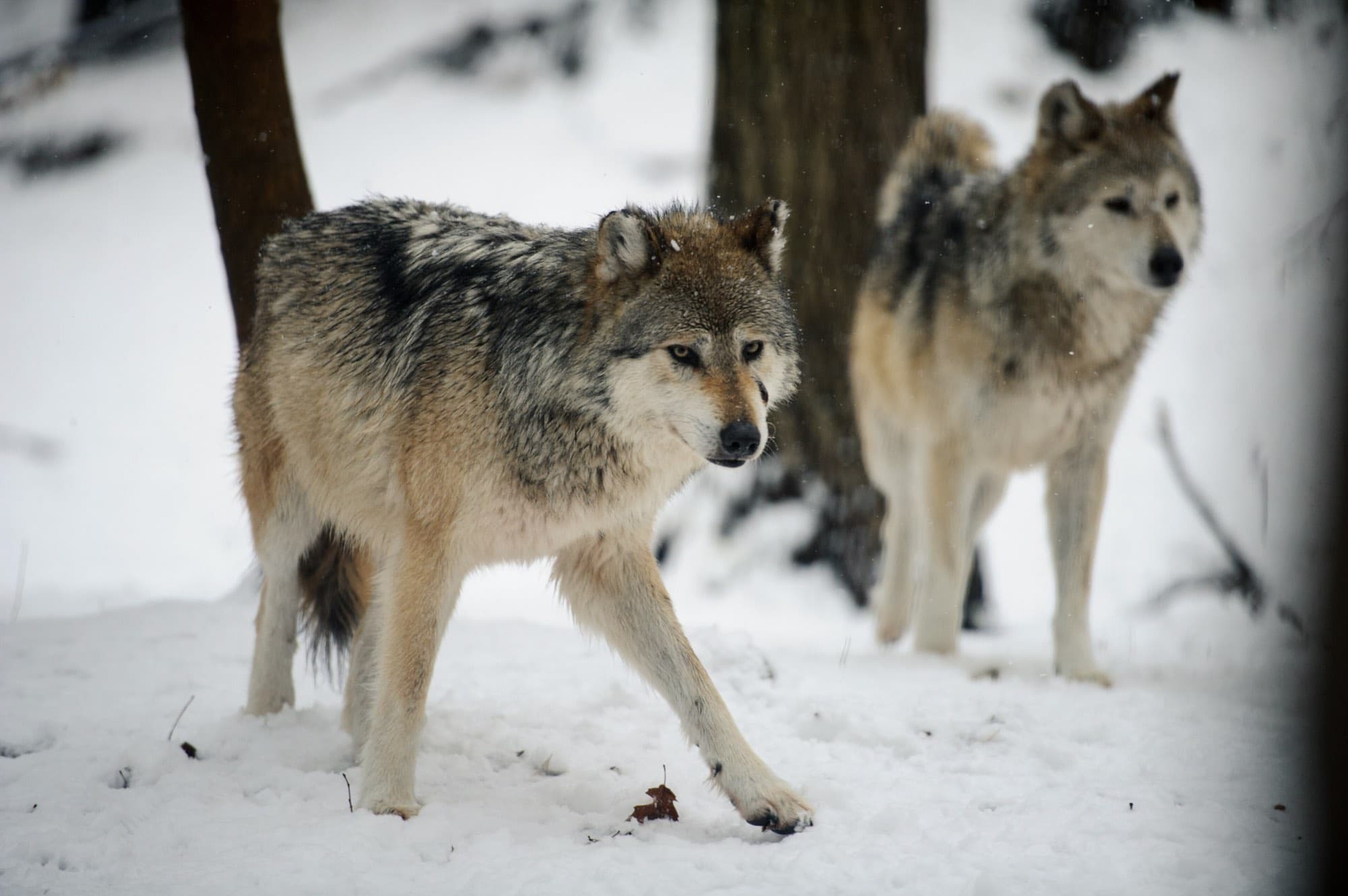
Wolves are breeding in Germany, France, Denmark and the Netherlands. Brown bears are increasing across the Carpathians and the Dinarics. Eurasian lynx have recolonised parts of the Alps. Wolverine and golden jackal are expanding. This happened across one of the most densely populated continents on earth, largely without reintroduction programmes.
The mechanism was unglamorous: legal protection under the Bern Convention and the Habitats Directive, rural depopulation freeing marginal farmland, and a recovery in wild prey — deer and boar — that gave predators something to eat. Then forty years of the protection actually holding.
It is a genuinely important result because it contradicts the assumption underlying most conservation pessimism: that large carnivores require wilderness. They do not. They require tolerance and a food supply. Wolves in Germany live between motorways and military training grounds and do fine.
The story was not a reintroduction. It was an absence of persecution, sustained for forty years.
The unresolved part is social. Recovery has produced real losses for livestock farmers and a political backlash that has already loosened protection in several countries. The ecological question was answered decades ago. The remaining question is whether people who did not ask for wolves will accept them, and that is not a question ecology can answer.
What the story does establish is that recovery is possible without a wilderness to put it in — which, given how much of the world now looks like rural Europe, is probably the most useful conservation finding of the last half century.
Written in the field for CaevraSpace. If you would like to republish or license this piece, get in touch.