Status
Habitat
Range
Group
Two hundred thousand died in three weeks. It recovered anyway.
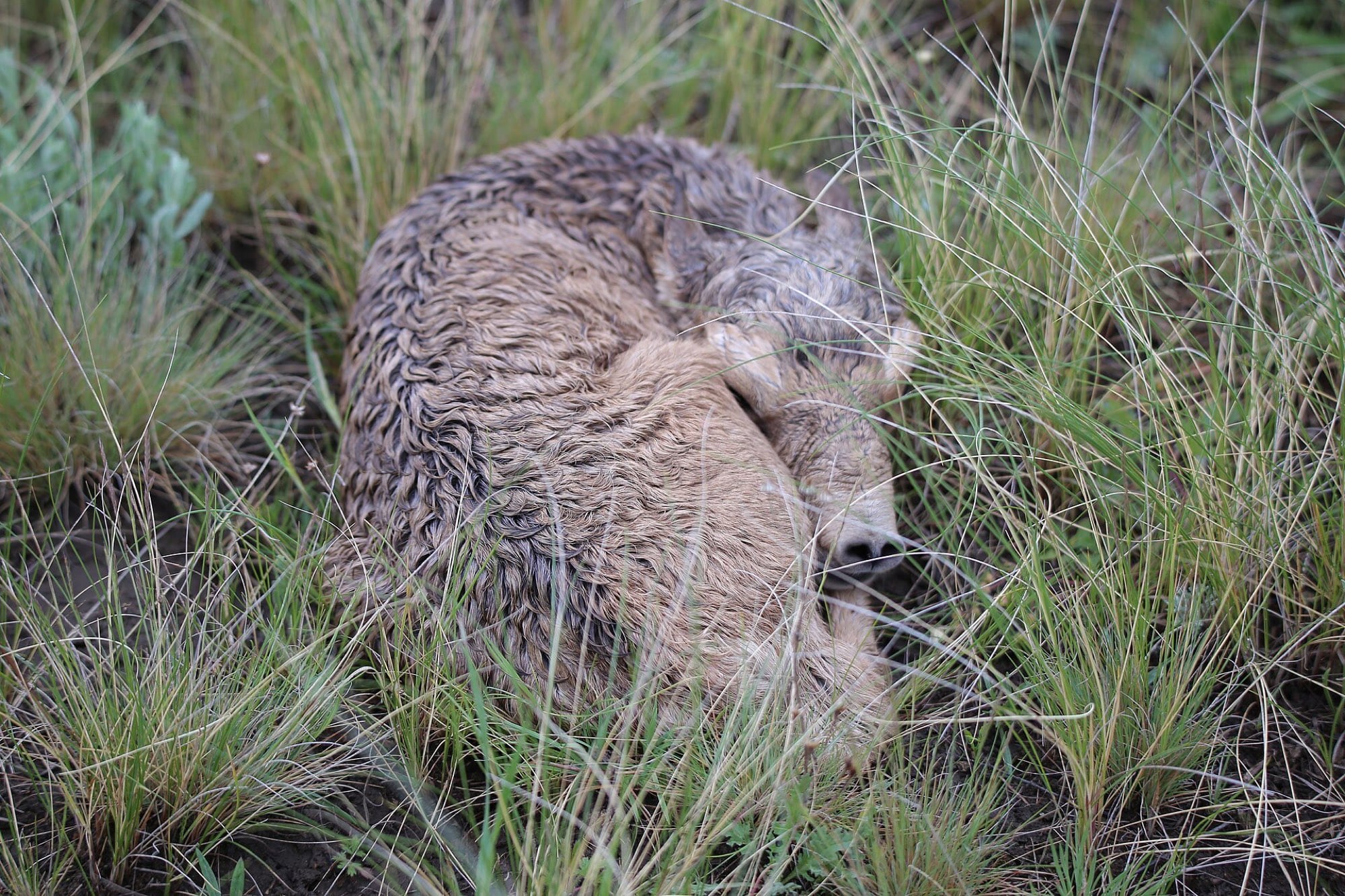
In May 2015, on the Kazakh steppe, more than two hundred thousand saiga died within weeks — over half the global population. The agent was Pasteurella multocida, a bacterium the animals carry harmlessly, turned lethal under unusually warm and humid conditions that made calving herds systemically vulnerable. Whole aggregations died where they stood, and there was nothing to intervene against.
What followed is the least expected part. Strict anti-poaching enforcement and the species' high reproductive rate — most females calving annually, often with twins — took the population past two million, and in 2023 the IUCN moved it from Critically Endangered straight to Near Threatened. The nose that makes it look assembled from spare parts is a filter and a heat exchanger, warming freezing winter air and straining summer dust.
The open shelf
More frames of the saiga antelope
Streamed live from the Commons Quality Images archive, eighteen at a time. Tap any frame to study it — each remains its photographer’s.
0 shown
Developing the next eighteen…