Two Cities, One Falcon
The fastest animal alive nests on the Brooklyn Bridge, and nobody looks up.
By 1964 there was not a single breeding peregrine falcon east of the Mississippi. DDT had thinned their eggshells until incubation crushed the clutch, and one of the oldest predators in the sky simply stopped existing across half a continent. The recovery that followed — the ban, the captive breeding, the hacking towers — is one of conservation’s cleanest victories, and its strangest chapter happened in Manhattan.
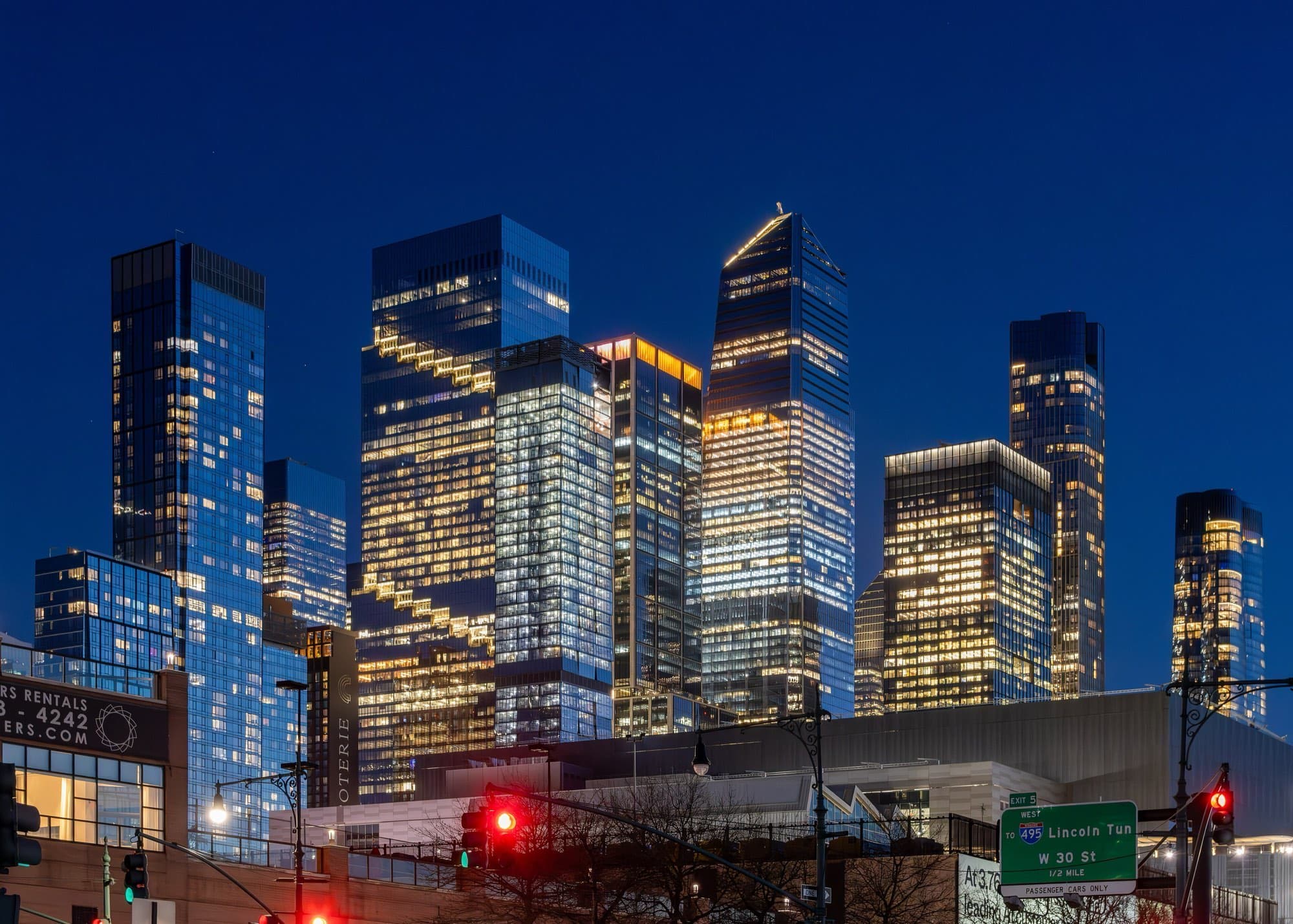
A skyscraper is, from a falcon’s point of view, a cliff with better thermals and a pigeon supply that never fails. New York City now hosts one of the densest urban peregrine populations on earth — bridges, cathedral spires, hospital ledges. The birds that once needed the loneliest crags in the Appalachians commute past office windows at two hundred miles per hour.
Photographing them is city work with wildlife rules. You learn a nest’s rhythm the way you learn a leopard’s — the food passes, the favourite perches, the hour the male relieves the female. Then you wait on a rooftop with the same patience you would spend on a ridge in Ladakh, while ten thousand people below you check their phones.
The peregrine did not adapt to the city. The city accidentally rebuilt its cliffs.
There is an argument hiding in this bird. We talk about wildness as a place — somewhere distant that must be visited. The peregrine treats wildness as a behaviour, and by that definition midtown qualifies. The falcon stooping between glass towers is not diminished nature. It is nature refusing the category.
The eggshells, for the record, are back to full thickness. It took banning one molecule and forty years. Recovery is possible; it is simply slower than destruction, which is the whole moral of the field.
Written in the field for CaevraSpace. If you would like to republish or license this piece, get in touch.