Where the Ice Was
Returning to a Svalbard anchorage after nine years, with the old photographs in hand.
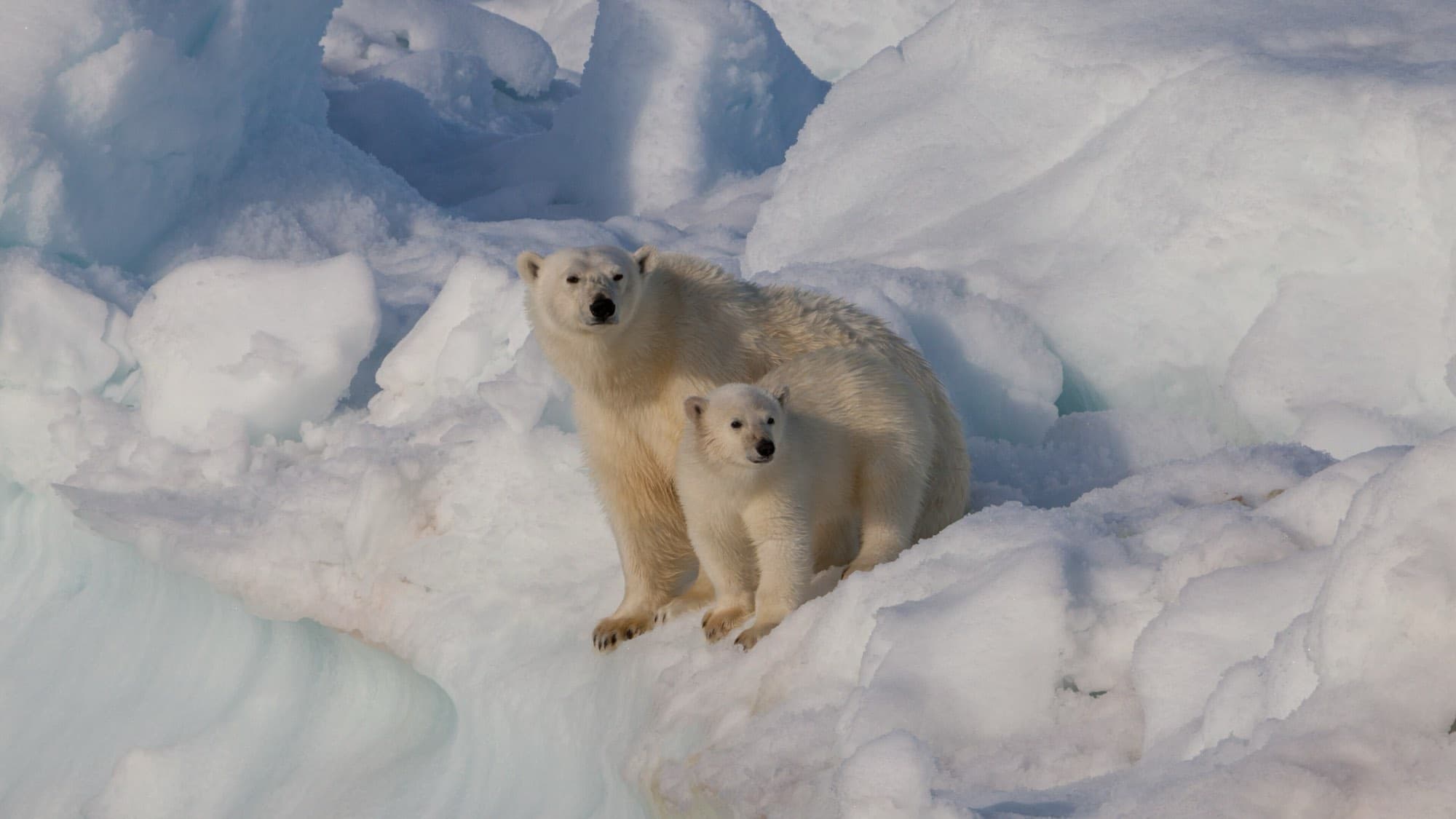
There is a particular exercise that turns climate data into a punch: rephotography. You stand where you stood, match the horizon to the old frame, and shoot. In 2017 I photographed a bear on the ice edge in a fjord on Svalbard’s west coast. This June we anchored in the same spot, and I held the print against the view.
The front of the glacier in my print no longer exists. Not thinned — gone, back beyond a headland that used to be under ice, leaving a bay where the frame used to end in a white wall. The bear in my photograph is standing on water now.
Svalbard is warming several times faster than the global average, which is an abstraction until you can hold it at arm’s length and line it up with a coastline. The guides here have stopped saying ‘unusual’ about warm winters because the word has lost its meaning; the fjords that reliably froze in their childhoods now freeze some years, partially, late.
The glacier had not retreated on a map. It had retreated from a photograph I took.
What does a photographer do with that? Not much, honestly — and also the only thing there is. Keep the archive precise. Date everything, log coordinates, keep the boring wide shots that no gallery wants, because in thirty years the boring wide shots will be the evidence. Beauty gets people to look; the record is what they will eventually need.
We saw bears on this trip — healthy ones, hunting well, further north than they used to bother going. The species is not finished. But the photograph in my bag is finished; it can never be retaken. That is a strange thing to carry home: a picture that has quietly become history.
Written in the field for CaevraSpace. If you would like to republish or license this piece, get in touch.