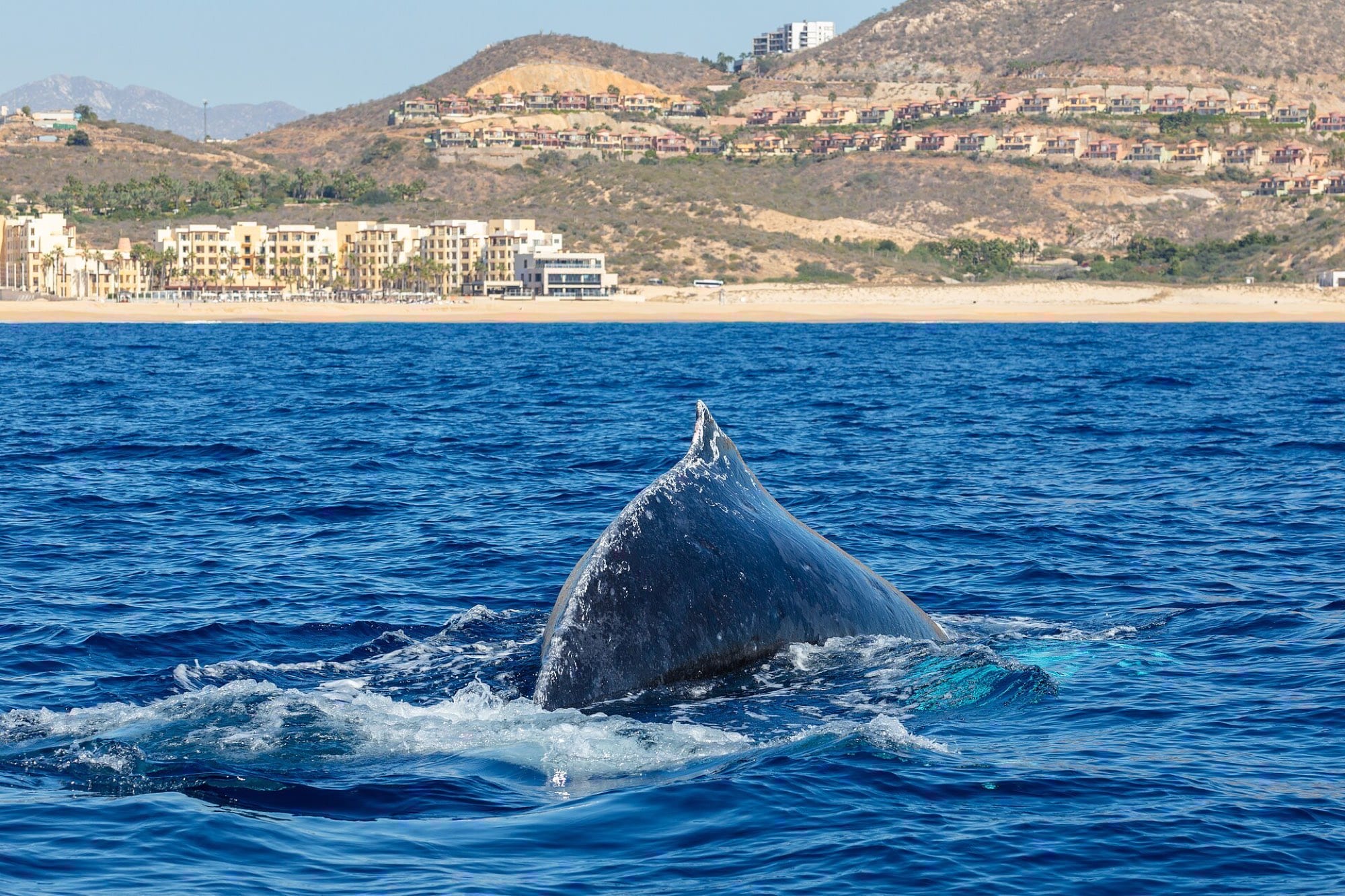
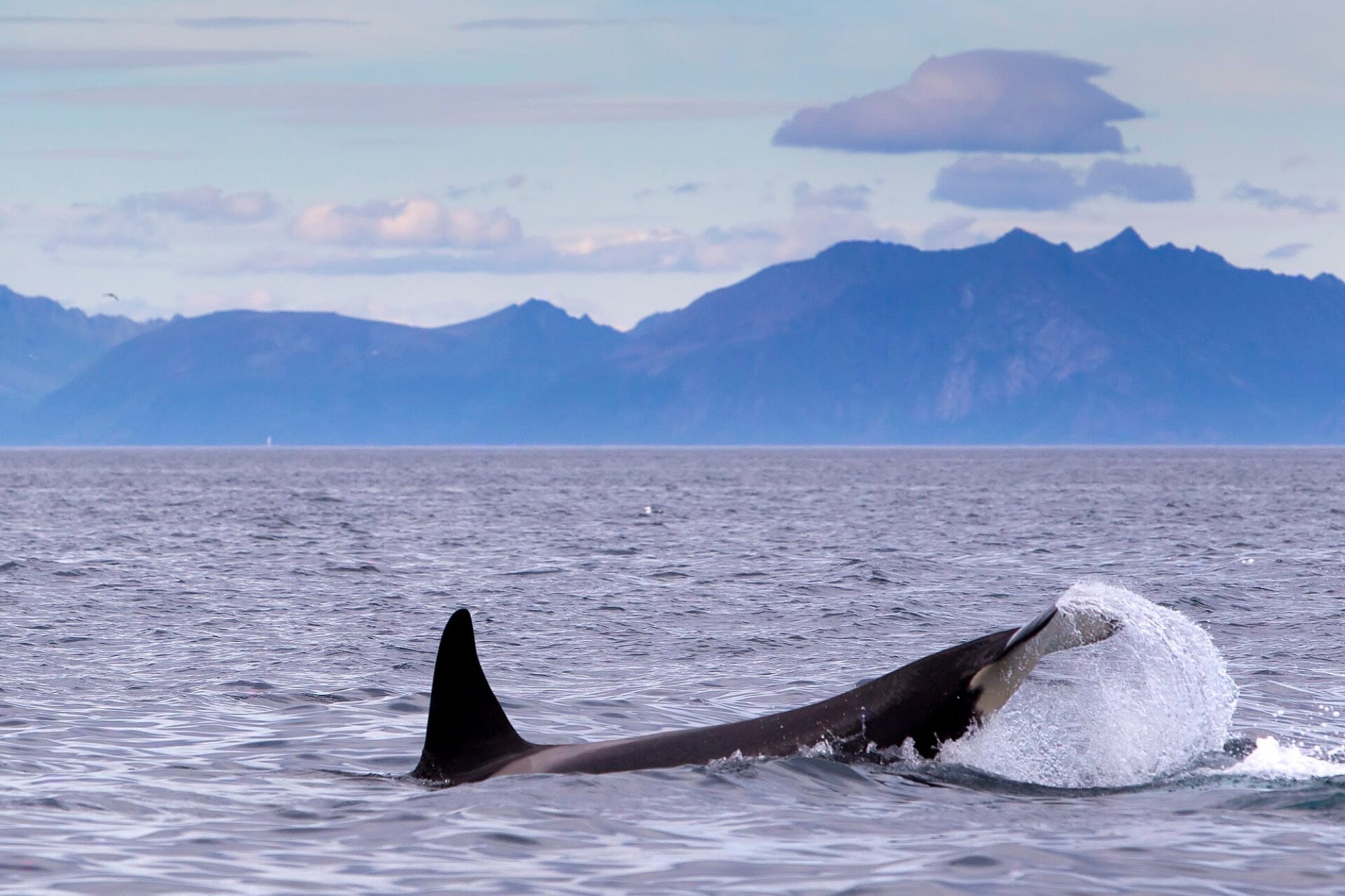
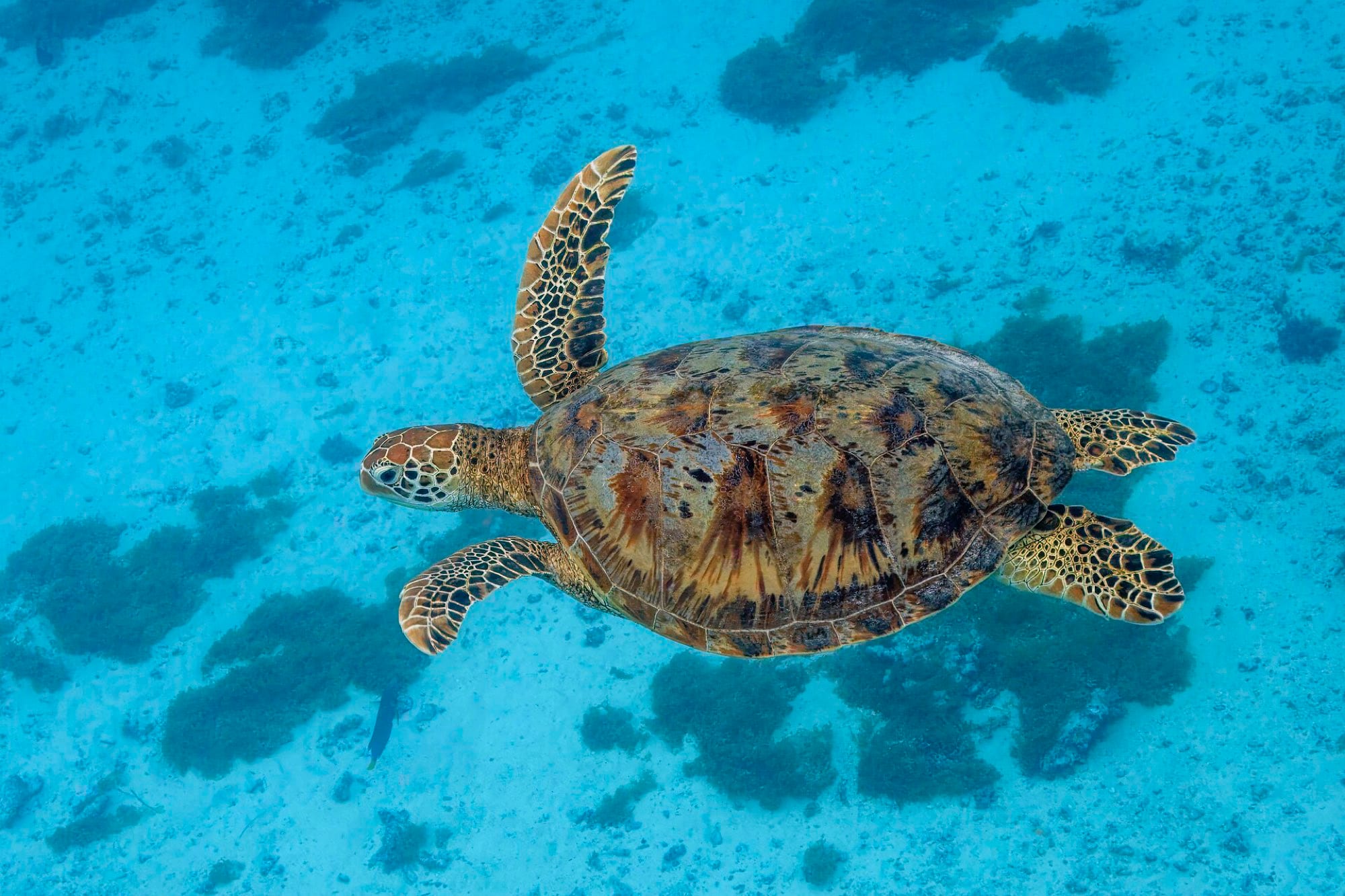
Open ocean; polar feeding grounds, temperate migration corridors
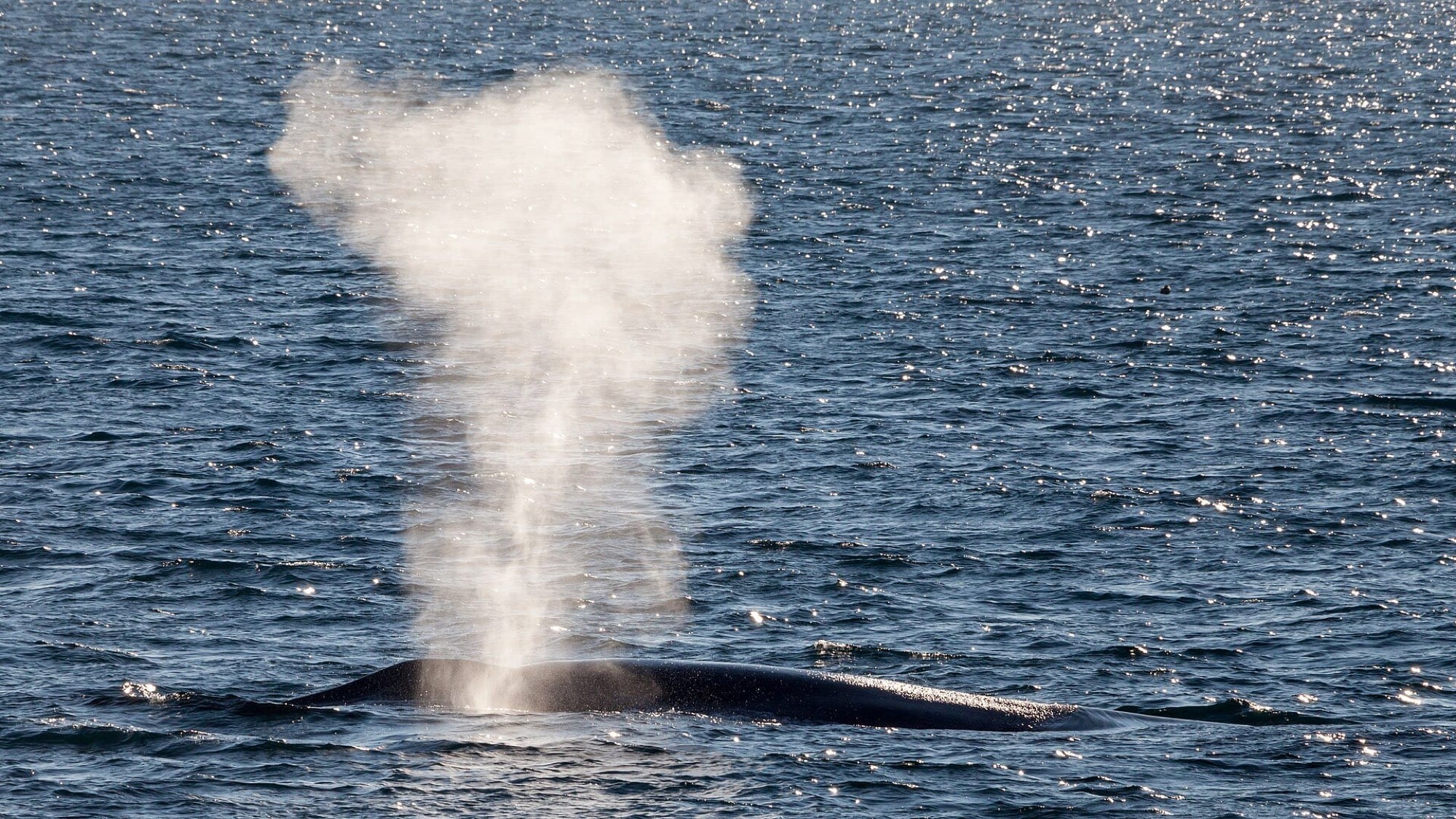
Blue Whale
Balaenoptera musculus
Status
Habitat
Range
Group
The largest animal that has ever lived, and it eats almost nothing else.
Feeding is a controlled collision. The whale accelerates into a krill swarm, opens its jaw to near ninety degrees, and takes in a volume of water heavier than itself — the throat pleats stretching, the drag stopping the animal almost dead in the water. Each lunge costs enormously, which is why blue whales feed only where krill density is high enough to pay for the manoeuvre, and why a shifting food patch is not an inconvenience but an existential problem.
Whaling removed perhaps 350,000 of them from the Southern Ocean alone, reducing that population to the low hundreds. Protection since 1966 has produced recovery that is real but uneven: eastern North Pacific numbers have climbed substantially, while Antarctic blue whales remain at a small fraction of their original abundance. Ship strikes and entanglement now do the damage harpoons once did.
The open shelf
More frames of the blue whale
Streamed live from the Commons Quality Images archive, eighteen at a time. Tap any frame to study it — each remains its photographer’s.
0 shown
Developing the next eighteen…